



SureFire - Simplifying Fired Equipment Through Pilotless Burner Control
The Traditional Piloted Approach
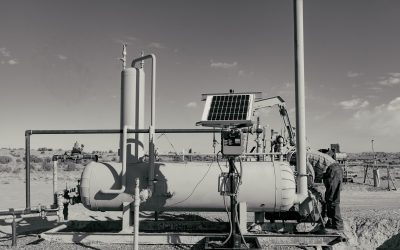
Traditional fired equipment used throughout oil and gas production, including heater treaters, dehydrators, line heaters, and other process-heating applications, commonly utilizes a continuously operating pilot burner as the ignition source for the main burner. While this configuration has been widely used for decades, the pilot introduces an additional combustion subsystem that requires fuel, components, installation, and ongoing maintenance.
Transitioning to Pilotless Ignition
Pilotless ignition eliminates the dedicated pilot burner and directly ignites the main burner when process heat is required. Rather than maintaining a continuous pilot flame, the Burner Management System (BMS) initiates a controlled ignition sequence upon a call for heat, establishes the main burner flame, monitors operation, and shuts the burner down once the process-temperature requirement has been satisfied.
Eliminating the pilot simplifies the overall burner assembly. A conventional piloted system may require a pilot burner, pilot orifice, dedicated fuel-gas tubing, fittings, regulators, and associated ignition and flame-monitoring components. Each additional component represents another potential maintenance point and increases the overall complexity of the combustion system.
This reduction in component count can be particularly valuable in oilfield environments. Pilot assemblies are continuously exposed to changing fuel conditions, moisture, dust, debris, temperature extremes, and other environmental factors. Small pilot orifices and fuel passages can become restricted or contaminated, while tubing fittings, and other components may require periodic inspection, adjustment, or replacement. Eliminating the pilot removes these components and their associated failure modes from the system.
Reducing Maintenance and Field Callouts
Pilotless operation can therefore reduce maintenance requirements and field callouts over the operating life of the equipment. The true cost of a component failure extends beyond the replacement part itself. Technician labor, travel to remote locations, troubleshooting time, vehicle expense, replacement inventory, and equipment downtime can significantly increase the total cost associated with maintaining fired equipment. Reducing the number of components requiring service can provide measurable lifecycle savings across a large asset base.
Eliminating Continuous Pilot-Gas Consumption
Another direct advantage is the elimination of continuous pilot-gas consumption. A traditional pilot may remain in operation 24 hours per day regardless of how frequently the main burner is required. Although the fuel consumption of an individual pilot is relatively small, the cumulative consumption becomes increasingly significant when multiplied across hundreds or thousands of fired-equipment installations.
Pilotless ignition changes this operating philosophy by supplying burner fuel when process heat is actually required rather than continuously consuming fuel to maintain an ignition source. This can reduce unnecessary fuel consumption while providing a more demand-based approach to fired-equipment operation. The economic benefit increases as the number of installations and equipment operating life increases.
Reducing Initial Equipment and Installation Costs
Eliminating the pilot can also reduce the initial installed cost of the combustion package. Removing the pilot assembly can eliminate associated burners, tubing, fittings, regulators, and other supporting hardware while reducing installation requirements. This creates an opportunity to lower both initial equipment cost and the number of replacement components that operators must maintain in inventory.
Automated Burner Management and Safety Control
Modern electronic burner management makes this architecture practical by controlling the complete ignition and operating sequence. A properly configured BMS can initiate ignition, control fuel-valve operation, verify flame establishment, monitor process temperature and safety inputs, respond to abnormal operating conditions, and automatically initiate subsequent heating cycles as required. Pilotless operation therefore does not eliminate burner management; instead, it places greater emphasis on controlled and monitored ignition of the main burner.
When properly applied, pilotless technology can also simplify the fuel train. Traditional systems may require separate fuel paths and associated hardware for the pilot, main burner or slip stream concepts. Removing the pilot burner reduces tubing, fittings, connections, and potential leak or maintenance points that an LDAR process would be able to identify, allowing the overall combustion package to be designed around a more streamlined main-burner fuel system.
Evaluating Total Cost of Ownership
The economic evaluation of pilotless ignition should therefore extend beyond the purchase price of the burner. Total cost of ownership includes initial equipment and installation, fuel consumption, preventative maintenance, replacement components, technician labor, service callouts, spare-parts inventory, and the operational impact associated with equipment downtime. Reductions across several of these categories can produce meaningful savings throughout the service life of the equipment.
SureFire FT-Series Pilotless Burners
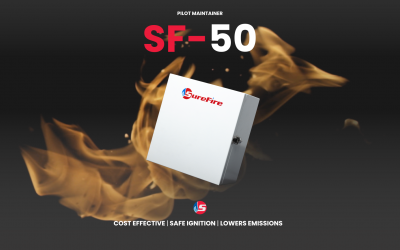
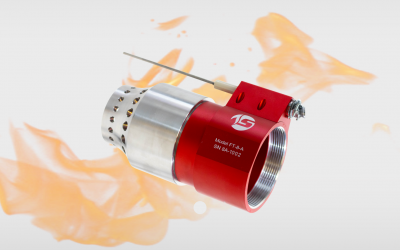
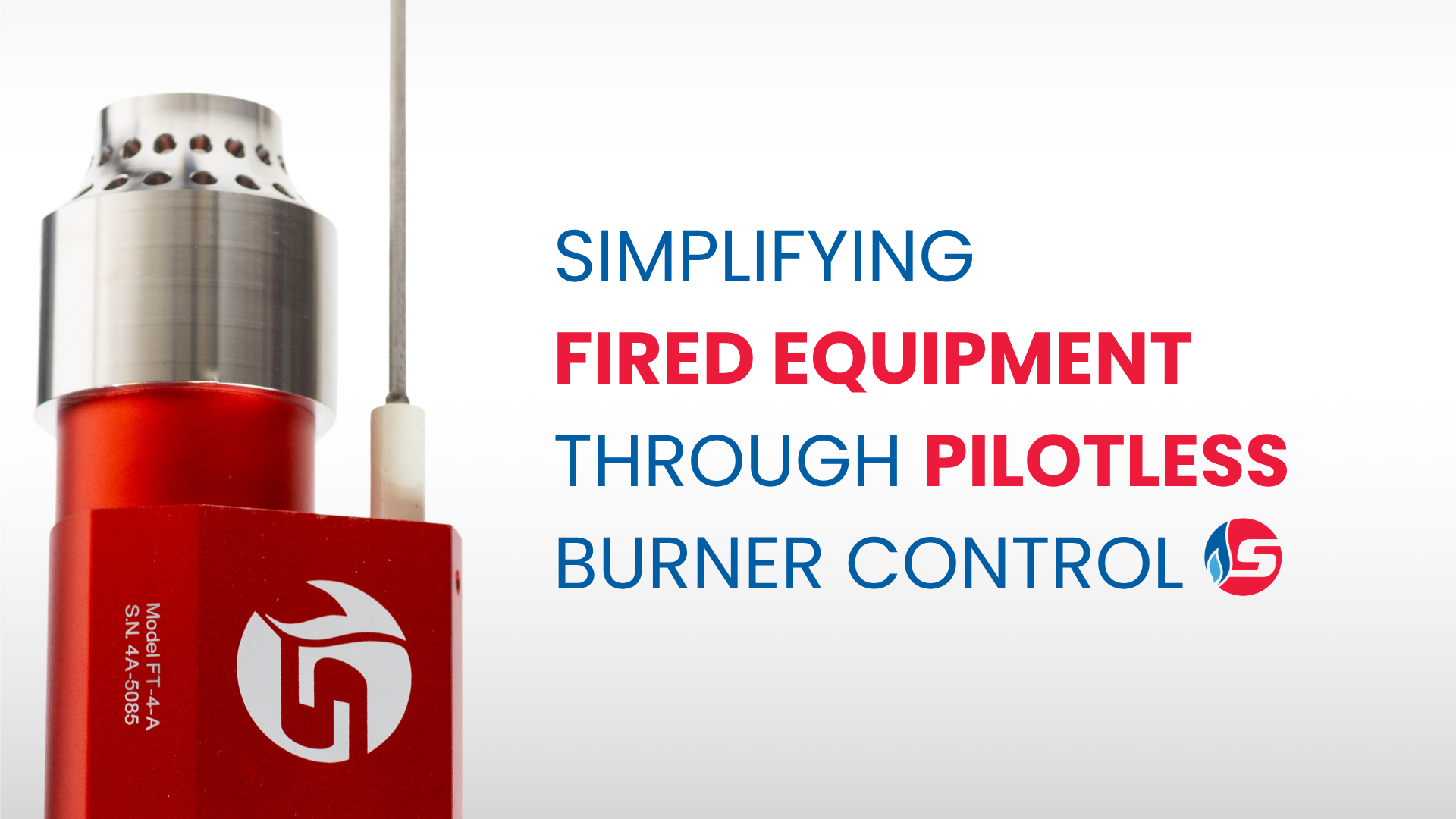
SureFire’s pilotless FT-Series burners provide a purpose-designed approach to direct main-burner ignition for standard fired-equipment applications. By combining automated ignition, burner control, process-temperature monitoring, flame supervision, and safety shutdown functionality, the system provides an alternative to conventional continuously piloted burner configurations.
Ultimately, the primary advantage of pilotless ignition is system simplification. Eliminating the pilot removes a continuous fuel consumer and an entire group of components that otherwise require installation, inspection, maintenance, and replacement. For operators managing large fleets of fired equipment, a pilotless strategy can provide a simpler combustion package, reduced maintenance exposure, lower operating costs, and a more automated approach to burner management.